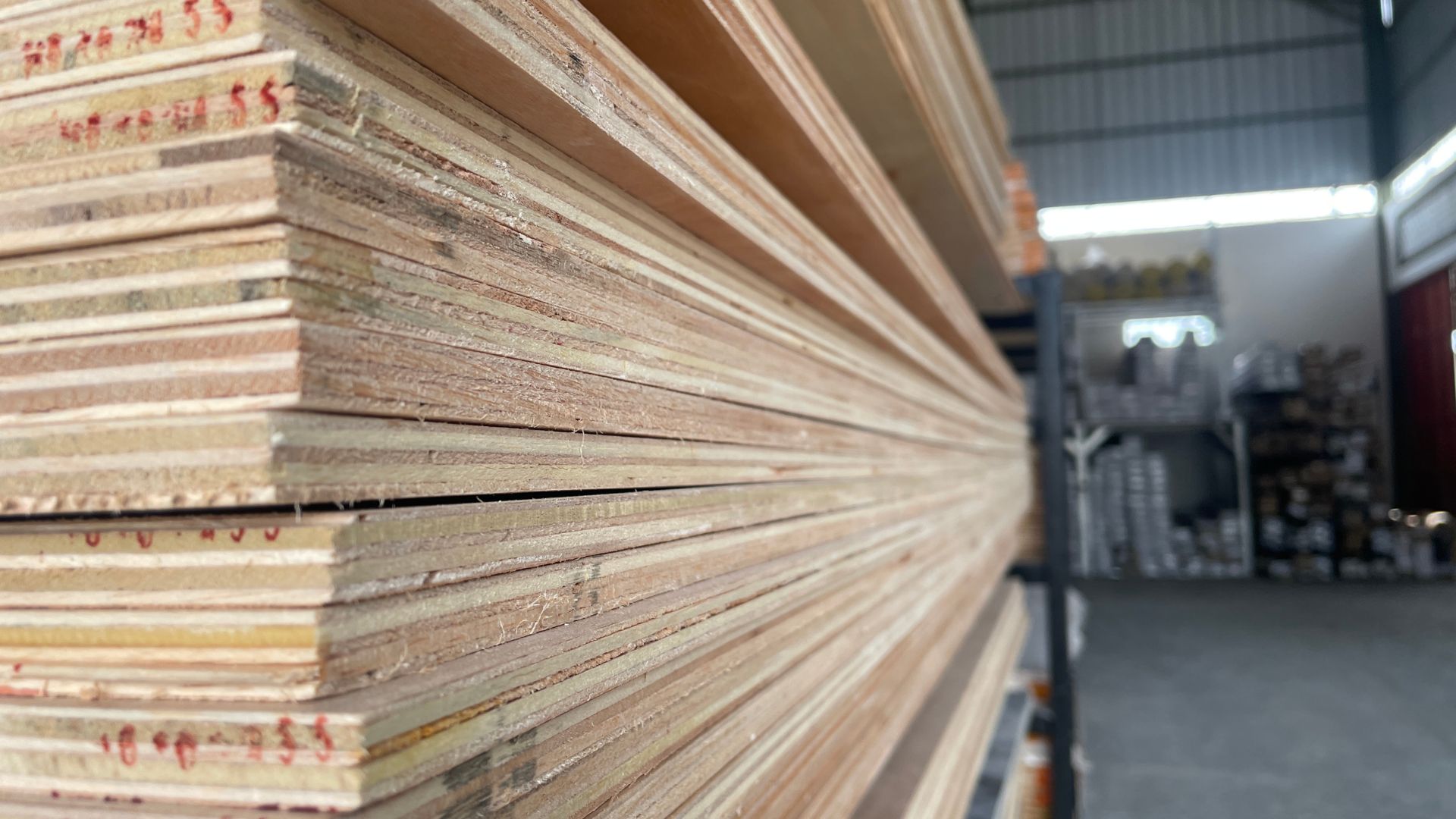
Plywood is a very flexible material for building things, but choosing the correct thickness is important for your furniture project. If it’s too thin, shelves may bend under weight. If it’s too thick, cabinet doors might feel heavy and awkward to use. Knowing how thickness relates to function, load and design can help you save money, time and hassle even before you start using a single screw.
Why Thickness Matters More Than You Think
The thickness of plywood has a direct impact on the strength, weight support and overall look of your furniture. A sheet that is 12mm thick will act in a very different way compared to one which is 18mm, even if they are cut into the same dimensions. The decision isn’t only about sturdiness. It affects how good edges look finished, the holding capacity of screws and if the final piece feels solid or empty when it is used every day.
Thin Plywood: 6mm to 9mm
Sheets that are between 6mm to 9mm range, they are most appropriate for uses which are light in weight and decorative. Imagine cabinet backs, bottoms of drawers, panels for decoration and the inner lining of wardrobes. These sheets do not plan to carry heavy weights on their own. They function nicely when a frame supports them. If you use thin plywood where strength is required, it can warp and fail over time. So, better keep these sizes for secondary parts.
Mid Range Thickness: 12mm
The 12mm sheet is a dependable performer for furniture of medium duty. It functions nicely for small shelf units, side panels in wardrobes and frames of lightweight seats. If your shelving will carry books or storage boxes that are light, the job can be managed by 12mm when the span remains short, ideally less than 600mm. Further than this, it is more intelligent to include a middle support or move on to a thicker sheet.
Standard Thickness: 18mm
For the majority of furniture works, 18mm plywood is preferred. Kitchen shelves, wardrobe bodies, study tables and bed structures are usually made with sheets of this thickness. It provides a good equilibrium between weight and the ability to support load. In this thickness, screws stay secure and edges can be neatly finished with edge banding or solid wood lipping. Many professional carpenters usually choose 18mm for general indoor furniture.
Heavy Duty Work: 25mm and Above
When there is a need for furniture to bear heavy weight regularly, 25mm plywood comes into play. This thickness proves beneficial in workshop benches, big dining tables, floor underlays and structural shelves within kitchens or libraries. Though it is more weighty and expensive, for uses where bending under load cannot be accepted, this additional mass becomes worthwhile. If you use anything thinner in these situations, it might show bending with time.
Span Length and Support Spacing
A thing that many individuals forget to consider is how the length of span impacts the need for thickness. A shelf which is 400mm does not require as much thickness compared to one extending 900mm without any support in the middle. Generally, you should upgrade your plywood thickness by at least a level for every extra 300mm of span that has no support. To use thinner material without losing strength, you can include a back rail or a middle divider.
Matching Thickness to Furniture Type
Here is a fast method to remember it. Panels for decoration and backing require 6mm to 9mm. Lightweight storage panels and side ones fit well with 12mm. For regular use furniture such as wardrobes, cabinets and study tables, 18mm is the best fit. Pieces that carry heavy load need to be 25mm or thicker. By matching the thickness with the actual requirement of each piece instead of making random guesses, it helps in creating furniture which lasts longer and gives better performance.
Final Thought
Selecting the thickness of plywood does not really involve strict guidelines, but more about knowing the function of your furniture. Think about how much weight it will hold, the distance it covers and the final look you desire. If these three aspects match with your choice of thickness, then you get furniture that appears sturdy because it truly is.
