

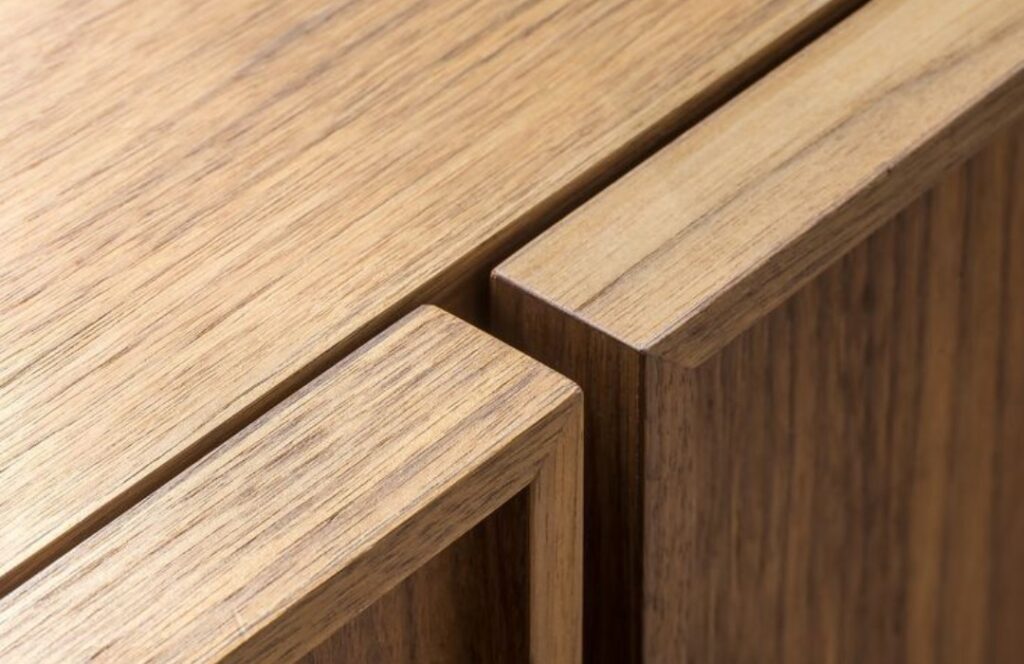
Plywood is one of the most versatile and widely used engineered wood products in modern construction and interior design. Known for its strength, dimensional stability, and aesthetic flexibility, it plays a critical role in furniture, cabinetry, paneling, and structural applications. However, despite its advantages, improper handling and usage on-site can significantly compromise its performance and lifespan. Below are the most common mistakes observed on-site—and how professionals can avoid them.
1. Ignoring the Right Grade Selection
Not all plywood is created equal. A common mistake is using interior-grade plywood in moisture-prone areas like kitchens, bathrooms, or exterior applications. This leads to swelling, delamination, and eventual failure.
Best Practice: Always match the plywood grade with the application. Use BWP (Boiling Water Proof) or marine-grade plywood for high-moisture environments, and MR (Moisture Resistant) grade for interior dry spaces.
2. Improper Storage Conditions
Plywood sheets are often stored directly on the ground or in damp conditions, exposing them to moisture and warping risks. Stacking sheets unevenly can also cause bending.
Best Practice: Store plywood on a flat, elevated surface in a dry, covered area. Use spacers for ventilation and ensure sheets are stacked horizontally with proper support.
3. Neglecting Edge Sealing
The edges of plywood are particularly vulnerable to moisture ingress. On many sites, edges are left exposed, which can lead to swelling and reduced durability.
Best Practice: Seal all exposed edges using edge banding, sealants, or appropriate finishes, especially in moisture-prone installations.
4. Using Incorrect Fasteners
Using low-quality nails, screws, or improper fastening techniques can damage the plywood layers or lead to weak joints.
Best Practice: Use corrosion-resistant screws or nails and ensure proper spacing to avoid splitting. Pre-drilling is recommended for precision work.
5. Skipping Surface Preparation
Directly applying laminates, veneers, or paint on uneven or dusty plywood surfaces results in poor adhesion and finish defects.
Best Practice: Sand the surface thoroughly, clean off dust, and use appropriate primers or adhesives to ensure a smooth, long-lasting finish.
6. Overlooking Load-Bearing Capacity
Assuming all plywood can handle heavy loads is a serious oversight. Incorrect thickness or grade selection can lead to bending or structural failure.
Best Practice: Evaluate load requirements carefully and choose the appropriate thickness and structural grade. For heavy-duty applications, consult technical specifications.
7. Poor Installation Practices
Improper cutting, lack of expansion gaps, and incorrect alignment can lead to cracks, warping, and aesthetic issues over time.
Best Practice: Use precision tools for cutting, maintain expansion gaps where necessary, and ensure alignment during installation. Skilled labor plays a crucial role here.
Final Thoughts
Plywood is a high-performance material when used correctly, but its success depends heavily on informed decision-making at every stage—from selection to installation. Avoiding these common site mistakes not only enhances durability but also ensures better aesthetics and long-term cost efficiency.
At Duroply, we believe that quality materials must be complemented by best practices on-site. By following these guidelines, professionals can unlock the full potential of plywood and deliver superior results in every project.