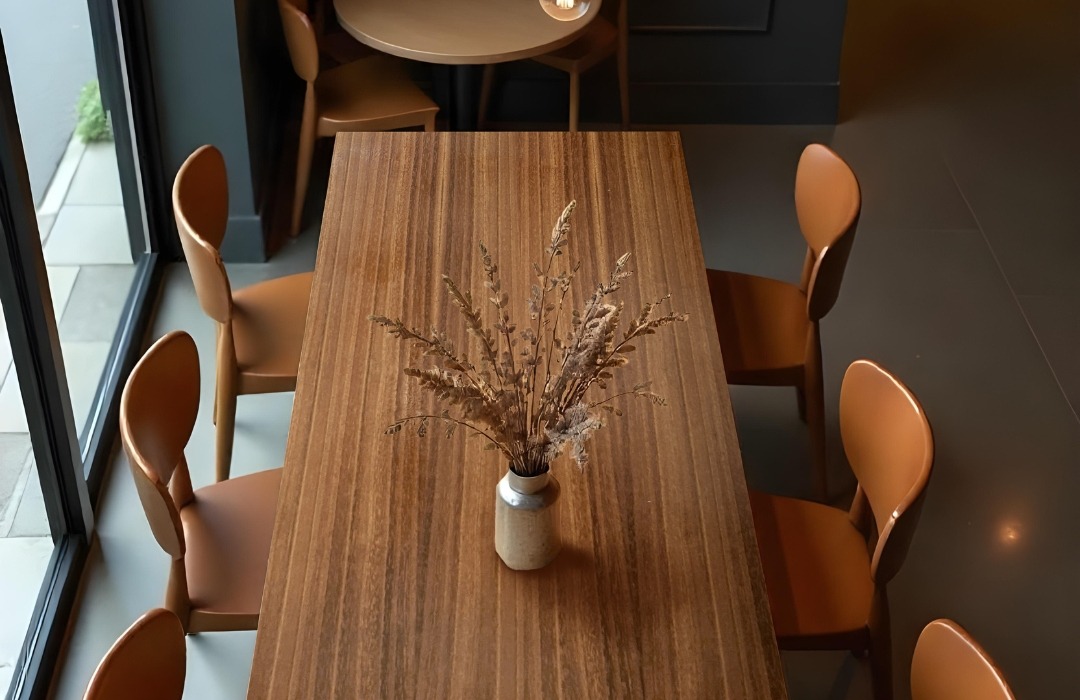
Plywood is a versatile and widely used material in modern interiors, valued for its strength, flexibility, and cost-effectiveness. However, one persistent threat that can compromise its durability is termite infestation. Termites silently damage wooden structures from within, often going unnoticed until significant harm is done. For brands like Duroply, known for quality and reliability, ensuring long-term termite protection is essential. Here is a comprehensive, professional guide to protecting plywood from termites permanently.
Understanding the Risk
Termites thrive in warm, humid environments and feed on cellulose found in wood products like plywood. Once they infest, they can weaken furniture, cabinets, and structural components. Prevention is far more effective and economical than treatment after infestation.
1. Choose Termite-Resistant Plywood
The first and most crucial step is selecting high-quality, pre-treated plywood. Premium brands like Duroply offer plywood that is chemically treated during manufacturing to resist termite attacks. This internal protection ensures that even if termites come into contact with the wood, they are unable to damage it effectively.
Why it matters: Factory-treated plywood provides uniform protection throughout the board, unlike surface treatments that may wear off over time.
2. Apply Anti-Termite Chemicals
Even when using treated plywood, adding an extra layer of protection is a wise practice. Apply anti-termite solutions such as borate-based preservatives or termiticides to all surfaces, especially edges and joints.
Best practices:
- Coat plywood before installation
- Focus on concealed areas
- Reapply periodically if exposed to moisture
This creates a chemical barrier that deters termites from entering or feeding on the wood.
3. Ensure Proper Sealing and Finishing
Sealing plywood with laminates, veneers, or paints adds an additional protective layer. Proper finishing reduces direct exposure to moisture and blocks termite entry points.
Recommended finishes:
- High-pressure laminates
- Waterproof paints or polishes
- Edge banding for exposed sides
A well-sealed surface not only enhances aesthetics but also improves resistance against pests.
4. Control Moisture Levels
Moisture is one of the primary factors attracting termites. Keeping plywood dry significantly reduces the risk of infestation.
Preventive steps:
- Fix plumbing leaks promptly
- Use waterproofing solutions in kitchens and bathrooms
- Ensure proper ventilation in enclosed spaces
Dry environments are less hospitable for termites, making this a critical long-term strategy.
5. Pre-Construction Soil Treatment
If plywood is being used in new construction, treating the soil before building is highly effective. Anti-termite chemicals are applied to the soil to create a protective barrier between the ground and the structure.
Benefits:
- Prevents termites from entering the building
- Offers long-term foundational protection
- Complements plywood treatment methods
This step is especially important in termite-prone regions.
6. Regular Inspection and Maintenance
Even with the best preventive measures, periodic inspection is essential. Early detection can prevent extensive damage.
Look for:
- Hollow-sounding wood
- Mud tubes or tunnels
- Discarded wings near furniture
If any signs appear, immediate professional pest control treatment should be undertaken.
7. Professional Pest Control Services
For complete and lasting protection, consider annual or bi-annual pest control services. Professionals use advanced chemicals and techniques that are more effective than DIY methods.
Why it is important:
Expert treatments ensure deep penetration and long-term prevention, especially in hidden or hard-to-reach areas.
Conclusion
Protecting plywood from termites permanently requires a combination of smart material choices, preventive treatments, and ongoing maintenance. By selecting high-quality, pre-treated plywood like Duroply and reinforcing it with proper sealing, moisture control, and professional care, you can ensure long-lasting durability and peace of mind.
Investing in termite protection is not just about preserving plywood It is about safeguarding your interiors, furniture, and overall structural integrity for years to come.
