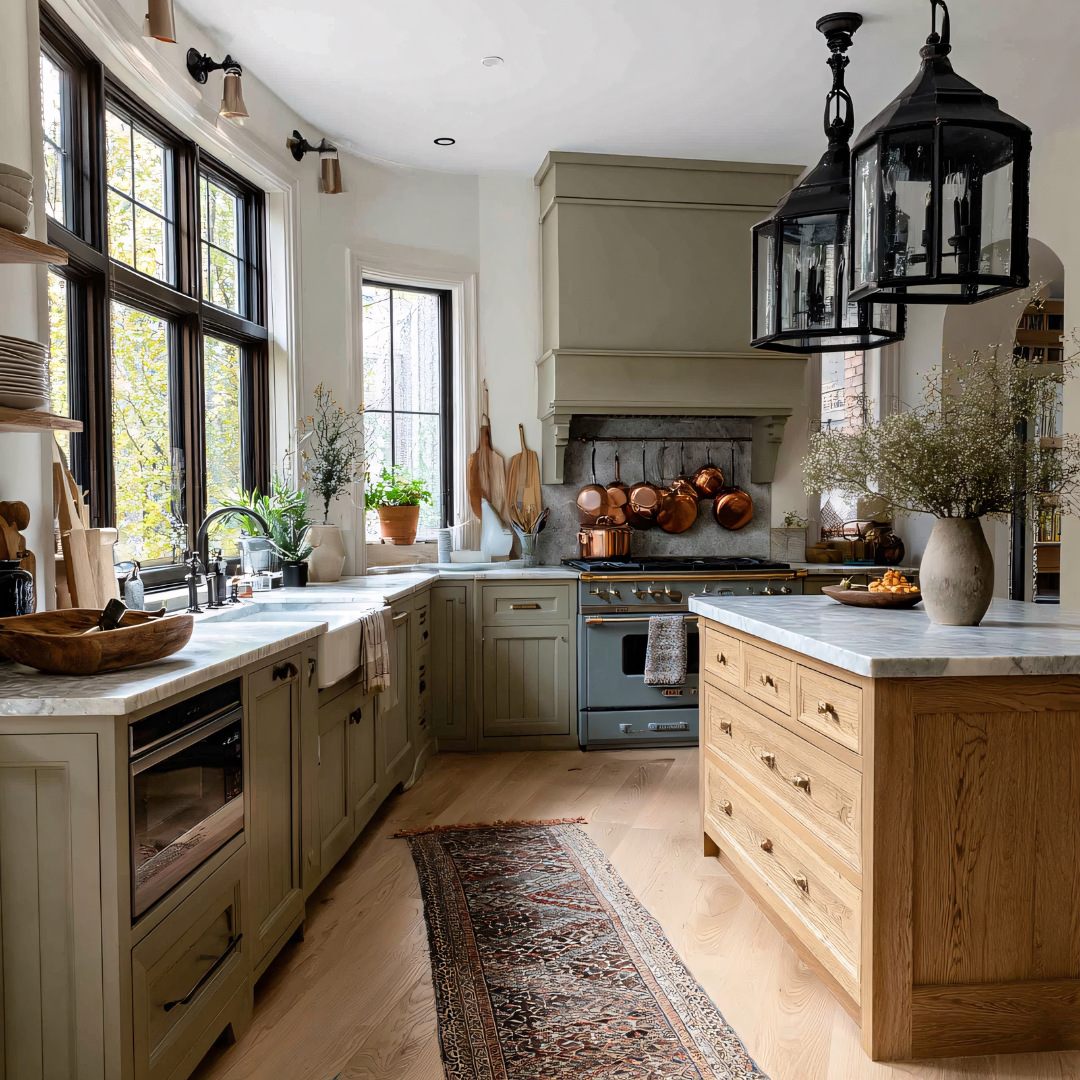
Your kitchen cabinets are always facing environmental challenges which can greatly shorten their life. The main problems like heat, steam and moisture cause warpings, swellings or the finishes to peel off and wood becomes bad. If you know how to protect your cabinets from these things, they will stay useful and nice looking for many years ahead.
The Real Threat of Kitchen Moisture
Maybe the most harmful thing in any kitchen is moisture. When water vapor chooses to stay on cabinet surfaces, it slowly enters into the wood grain and makes it swell or get damaged structurally. This wetness originates from cooking steam, running dishwashers and even changes in daily humidity levels. As time goes by, the cabinet’s strength gets diminished due to constant exposure to dampness and this also encourages mold development in hidden spots.
The wood in your cabinets takes in moisture like a sponge. This causes the expansion of the wood fibers unevenly, which leads to warping and misalignment of panels. If this moisture infiltration is not checked, it can make your cabinets impractical and maybe even risky for keeping food and kitchen items.
Understanding Heat Related Damage
Heat is also a big problem for kitchen cabinets. If you put your stove or oven next to the cabinets, they are constantly exposed to high temperatures that can make varnish crack and wood finishes become soft. Cooktops produce a lot of heat when cooking and this hot air moves up towards the overhead cabinet spaces. The repeated expansion and contraction from temperature changes weakens the wood’s structural bonds.
Too much heat can also make finishes lose their color or change. Laminate cabinets are especially at risk because the glue that holds the laminate in place can get weak if it is exposed to heat for a long time. This separation usually cannot be fixed, making it necessary to replace the cabinets instead of repairing them.
Ventilation: Your First Line of Defense
Putting in a good range hood is very important to reduce steam and heat harm. A well-working hood takes away moisture and cooking fumes before they can land on your cabinets. Range hoods must be vented outside, not brought back into the kitchen because recirculating just spreads moisture all over the place.
Ensure your range hood is the right size for your cooktop. A too small hood can’t effectively clear away steam and heat. Also, make sure to keep the filter of your hood clean and working well because a blocked filter greatly lowers how well it ventilates. Using your hood while you cook and even when you are done cooking, it helps to remove leftover steam from the air.
Protective Finishes and Sealants
Using good sealants makes a shield that stops moisture from getting in. Finishes like polyurethane and polycrylic are great options for cabinet surfaces as they keep water away but let the wood breathe a little bit. These types of finishes work better than products based on oil or wax at stopping the absorption of moisture.
Think about putting more layers of protective finish on cabinets you already have. This will make several defense lines and increase the time it takes for water to get through to the wood. It’s important to focus especially on cabinet doors and drawer fronts because they are most exposed to the kitchen environment.
Climate Control in Your Kitchen
It is very important to keep the humidity levels in your house stable. You should try for kitchen humidity between thirty and fifty percent. A good exhaust fan in the kitchen, together with right home ventilation, can stop too much moisture from building up. In especially damp environments, a dehumidifier can be useful to control the levels of moisture.
Also, you should minimize changes in temperature. Do not put cabinets where they can get direct sunlight because this makes the temperatures change and it is hard for the wood. If possible, use heat barriers or insulation between cabinets and things that produce heat like ovens and stoves.
Regular Maintenance Matters
Regular maintenance safeguards your investment in cabinets. Spills should be wiped right away and surfaces of the cabinet dried after you finish cooking. Cleaning every month with a suitable cleaner for cabinets keeps the protective coat intact and enables early noticing of possible damage. Check cabinet hardware, hinges and seals often. If any parts are damaged or not working properly, change them without delay.
Your kitchen cabinets need safeguarding from the tough surroundings they are in. Using good ventilation, putting on protective finishes, managing humidity and temperature and doing regular maintenance can keep your cabinets for many years. These steps to prevent damage are much cheaper than buying new ones when ruined, so it is wise to invest in them for a long-lasting kitchen.
