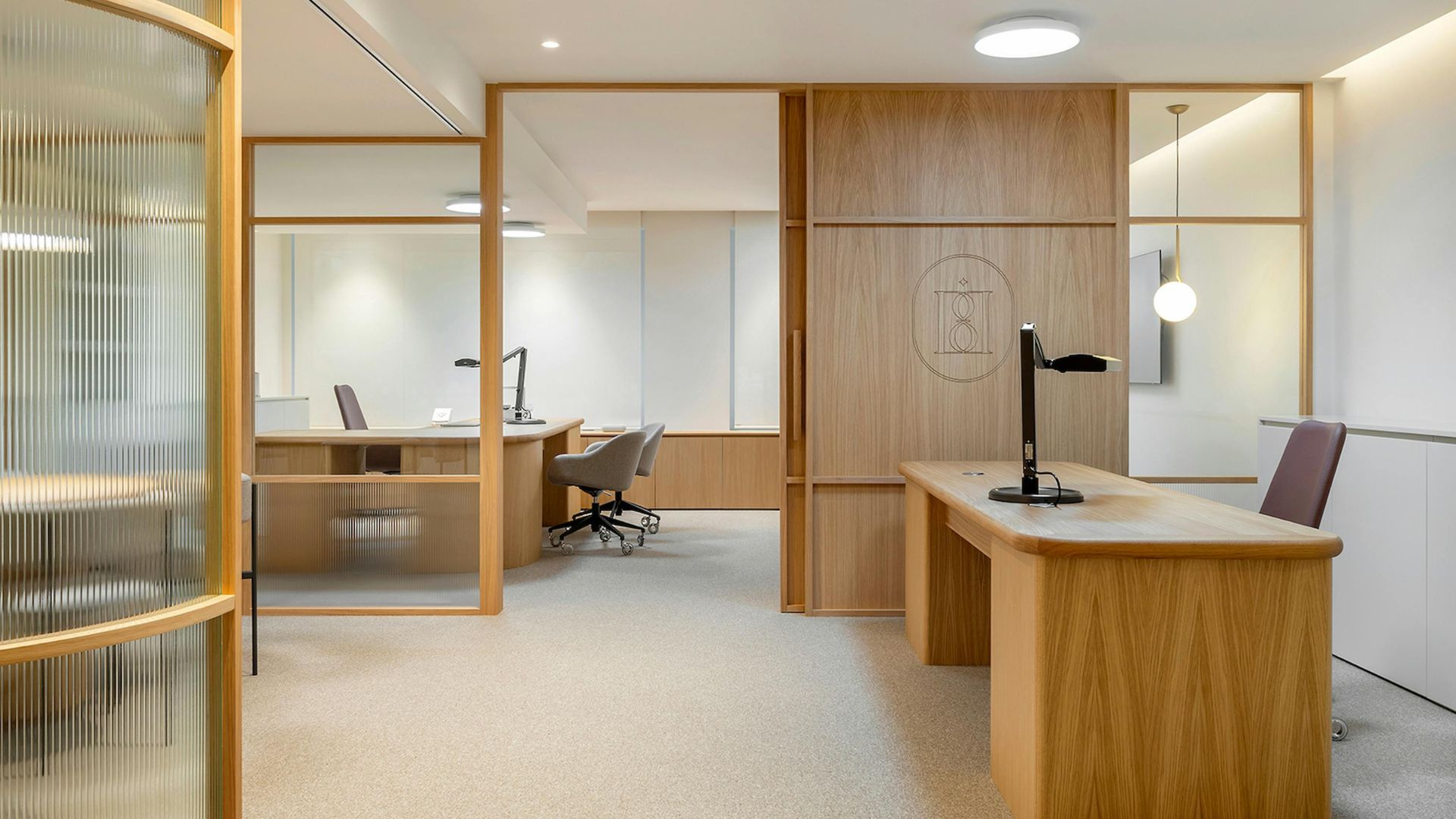
Natural wood finishes give a genuine organic feel that man-made materials can not match. When you carefully include it in modern indoor designs, wood becomes more than just a construction material – it turns into a style statement connecting traditional grace with contemporary simplicity. The tricky part is to choose the right finish which respects the natural character of the wood but also matches with simple and straight lines that are common in today’s design trends.
Understanding Wood Finishes in Modern Spaces
Modern design flourishes on clear simplicity and meaningful intent. Every component must justify its presence either through utility or visual effect. Natural wood finishes fit excellently in this context as they contribute to the aesthetics without needing extravagant details. For example, finishes that are based on oil make the patterns of wood grain more prominent. They also keep a matte or satin look which is modest yet elegant. On the other hand, water based finishes provide long lasting protection and have a simpler appearance, allowing the actual color of the wood to show beautifully.
The main thing is to choose finishes that show off, not hide the wood’s natural differences. Appreciating knots, grain pattern changes and slight color variations can add depth in modern spaces which are otherwise neutral. When correctly highlighted and placed within simple environments, these imperfections turn into design elements.
The Color Palette Revolution
The times have passed when modern interior designs required the same wood shades. Now, the design method embraces variety in finishes along with neutral color palettes. Combining lighter, whitewashed oak and darker walnut or rich ebony finishes makes a visual contrast that brings life to contemporary spaces but still keeps elegance intact. This method of layering avoids boredom, yet it keeps the unified look that modern design requires.
It is seen that matte finishes are now the popular option for modern inside designs. They reduce reflections and give a more touchable look, encouraging people to interact with wooden surfaces. High shine finishes may seem old-fashioned or too formal, but matte and satin finishes match well with today’s ideas of genuineness and subtle luxury.
Selecting Wood Species for Modern Design
Not all types of wood are equally suitable for modern environments. Woods like oak or hickory, which have strong grain patterns, need thoughtful use because their prominent visual impact can dominate spaces with a minimalist design. On the other hand, woods such as ash or maple that have softer grains offer gentle texture without drawing too much attention. Walnut provides a deep hue with regular grain patterns, which makes it perfect for prominent items like feature walls or furniture that anchors contemporary spaces.
Bamboo and reclaimed wood have become very popular in eco-friendly modern design. Bamboo looks uniform and grows back quickly, which fits well with today’s focus on sustainability. Reclaimed wood brings a sense of history to new homes. These two materials question the idea that modern designs need to be completely brand-new and unused.
Application Strategies for Maximum Impact
Place natural wood elements in specific strategic spots instead of filling the whole area with them. One wall covered with unfinished natural wood can draw attention without making the room feel too much. Kitchen islands, floating shelves and architectural millwork stand out like sculptures when they are completed using natural wood and put as main design pieces rather than supporting ones.
Matching natural wood finishes with materials such as concrete, metal and stone enhances a modern look. This interaction of materials adds visual charm by varying in texture and tone while each material stays true to its original look.
Maintenance and Longevity
Natural wood finishes need a different kind of care compared to surfaces coated with polyurethane. The honesty about these maintenance needs actually makes them more attractive in modern homes where being genuine is important. Regular oiling, correct humidity control and careful use are necessary when you have natural wood finishes as part of your home. For many people who own homes, this interaction with their surfaces makes their bond stronger to the spaces they live in.
The Future of Sustainable Design
Natural wood finishes signify a move towards sustainable, locally obtained materials in modern design. As the focus on environmental responsibility grows among designers, unfinished and naturally finished woods become expressions of principles rather than mere visual selections. The harmony between current design standards and choice of natural materials results in spaces that appear both up-to-date and classic simultaneously, showcasing the true direction for modern design.
