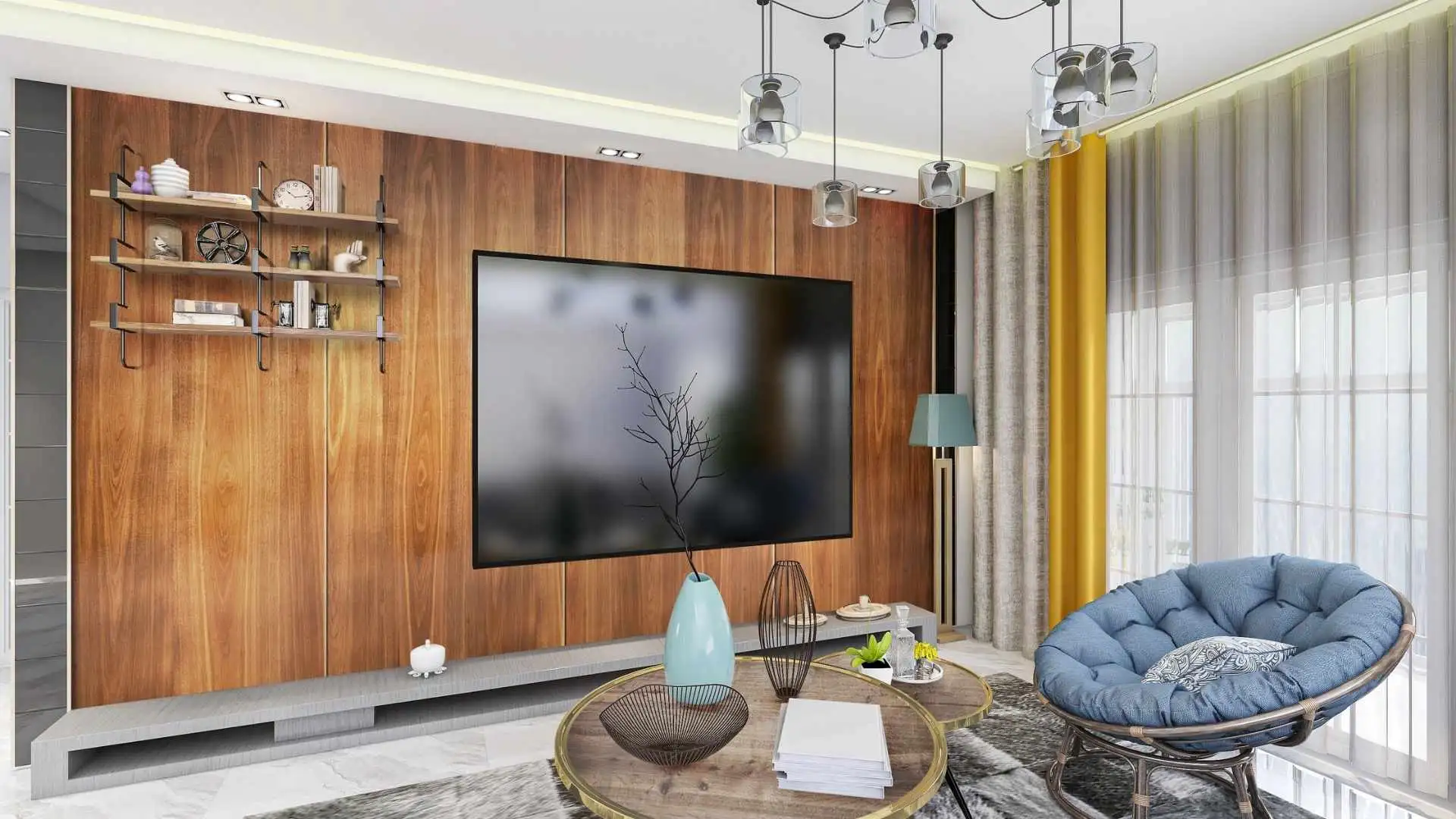
While you are out to look for the best and the most reliable plywood for your kitchen cabinets, you cannot simply pick one without checking your options and doing a few quality checks. Afterall, it is about buying something that will ensure an elegant look for your kitchen and unmatched build quality. On the top of everything, moisture resistance must be considered as the foremost thing to buy the best plywood for kitchen cabinets. Here’s a detailed guide to help you make a well-known decision in the department.
Why Plywood Works Better Than Other Materials
Plywood is recognized as the top choice for core material in modular kitchen cabinets. Compared to particleboard or MDF, plywood keeps screws secure, does not sag under weighty items and recovers from small hits. The way it’s built with layers crossed over each other gives it stability in size, so it doesn’t significantly expand or shrink when there are changes in temperature and humidity often found in kitchens.
Understand the Grade Before You Buy
Plywood has various grades and the grade influences how it looks and works. For kitchen cabinets, you require a minimum of BWR (Boiling Water Resistant) plywood. This kind is made to endure steam, splashes and the dampness that a kitchen generates daily. If you use lower grades in these surroundings, it will lead to peeling and expansion within a few years.
Thickness Matters More Than You Think
Usually, we need 18mm plywood for the main part of cabinet boxes and 12mm is good enough for inside shelves and back panels. Using proper thickness makes sure that structure stays solid without bending or making noise when under pressure. If you use thinner plywood it may lower cost at first but often results in shelving sagging and hinges becoming loose with time, leading to high repair costs later on.
Check the Core Quality
Plywood cores are not all the same. A strong core without any empty spaces makes sure that screws and fittings stay firm and do not come out. When checking plywood, observe the cross section. A panel of high quality will display even layers without any gaps or irregularities. At Duroply, they make sure during manufacturing to create dense and consistent cores. This gives cabinet fittings a secure and durable hold.
Surface Finish and Workability
Plywood surface will influence the ability to receive laminates, paints and glues. After sanding, a smooth face will create a better bond with boards and give a cleaner look with the naked eye. If the kitchen is of a modular type, where laminates or acrylic sheets are employed, then a level and flat surface is very important. The bubbles and peeling over time will leave ugly imperfections on an otherwise great kitchen design due to uneven or damaged surfaces.
Do Not Overlook the Glue Quality
The glue used in making plywood is a quiet detail that decides the long-lasting performance. In kitchens, adhesives based on phenol formaldehyde resin provide better resistance to moisture than those made from urea formaldehyde. This difference separates BWR and BWP (Boiling Waterproof) grades from regular commercial plywood. Make sure to ask questions regarding the adhesive used for binding the layers together and it affects quality to a great extend.
Make the Right Choice for a Long Lasting Kitchen
Choosing plywood for modular kitchen cabinets is not only a buying choice. It is also a step towards the long-lasting life of your kitchen. Among the most important factors to consider for buying quality plywood for kitchen cabinets, a few include grease, core quality thickness and the adhesive used. Considering this will not only ensure good quality but at the same time, make you stress free about the life of your kitchen cabinets which will be sturdy and resistant to moisture damage.
