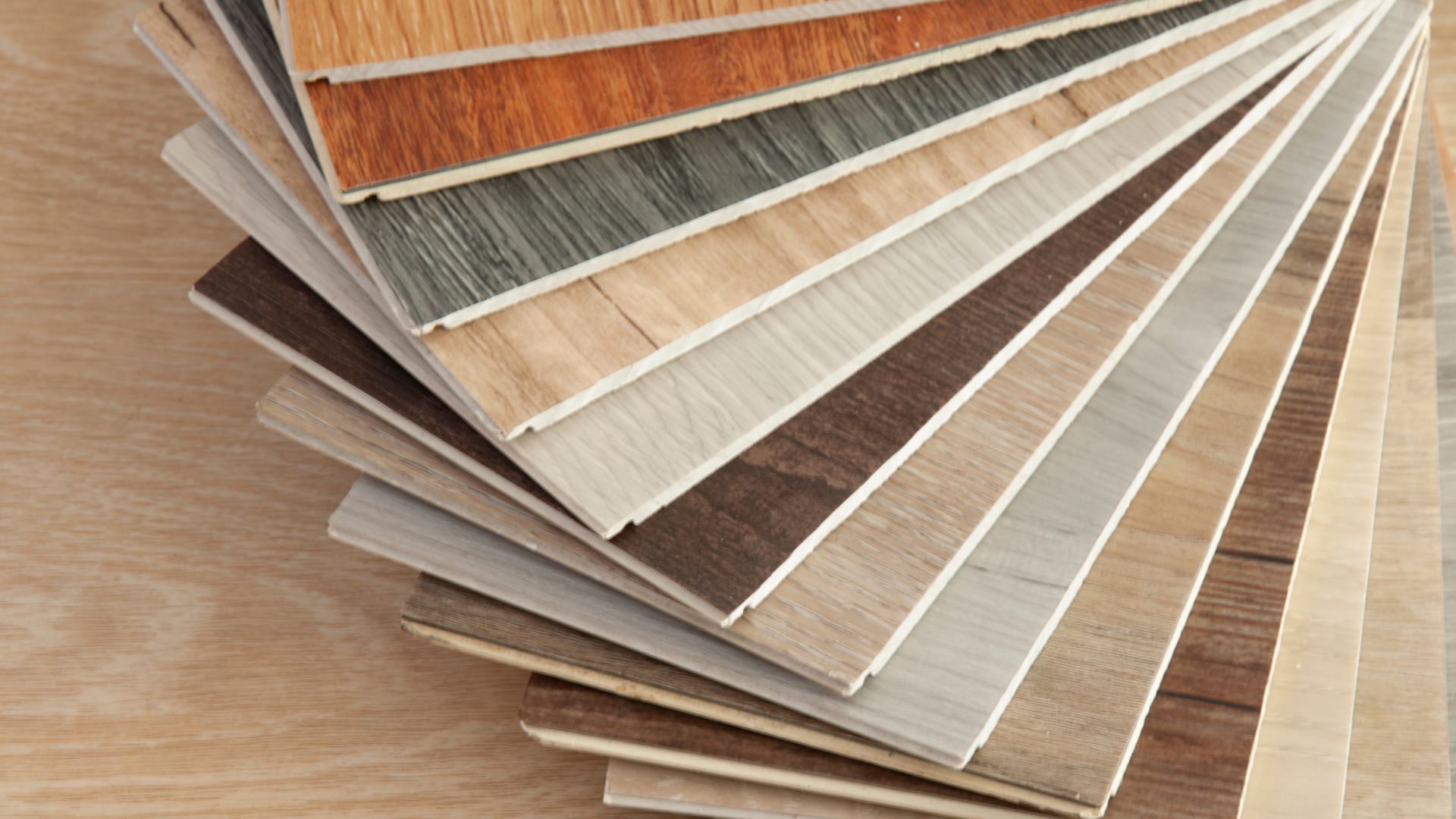
When it comes to furniture, interiors, or construction, plywood is often the hidden backbone that determines durability and performance. Yet, many buyers focus only on price or appearance, overlooking quality checks that can save them from costly repairs later. Understanding how to evaluate plywood before purchasing is essential for making a smart, long-lasting investment.
1. Check the Grade and Certification
The first step is to look for quality certifications. In India, plywood should ideally comply with ISI standards set by the Bureau of Indian Standards (BIS). Grades such as BWR (Boiling Water Resistant) and BWP (Boiling Water Proof) indicate how well the plywood can withstand moisture. For kitchens and bathrooms, BWP-grade plywood is highly recommended due to its superior water resistance.
2. Examine the Core Material
The internal core of plywood plays a crucial role in its strength. High-quality plywood uses hardwood layers that are uniform and free from gaps. Poor-quality plywood may have visible voids or overlapping layers, which weaken the board. You can check this by inspecting the edges, consistent layering without holes is a good sign.
3. Look for Surface Smoothness
A premium plywood sheet will have a smooth, even surface without bubbles, cracks, or patches. Run your hand across the surface; it should feel uniform. Any irregularities may indicate poor manufacturing or low-grade veneer, which can affect both aesthetics and durability.
4. Test for Strength and Flexibility
Good plywood should be strong yet slightly flexible. Try bending a small piece, high-quality plywood will not crack easily and will return to its original shape. Excessive stiffness or brittleness is often a sign of inferior material.
5. Check Thickness Accuracy
Thickness consistency is another important factor. Measure the sheet at different points to ensure uniformity. Variations in thickness can lead to uneven furniture and structural issues. Reliable brands maintain precise thickness standards across their products.
6. Assess Water Resistance
Since plywood is often exposed to moisture, testing its resistance is vital. A simple method is to pour a small amount of water on the surface and observe absorption. High-quality plywood will resist water penetration for a longer time. For a more rigorous check, BWP-grade plywood can withstand boiling water conditions without delamination.
7. Inspect for Termite and Borer Resistance
Termite attacks can severely damage plywood over time. Look for products that are chemically treated to resist termites and borers. This feature significantly increases the lifespan of your furniture and reduces maintenance costs.
8. Evaluate the Brand Reputation
Choosing a trusted brand ensures consistent quality and reliable after-sales support. Established manufacturers invest in advanced technology, quality control, and sustainable sourcing. This not only guarantees durability but also ensures environmental responsibility.
9. Check for Warranty and Guarantees
A strong warranty is often a reflection of product confidence. Reputed brands offer long-term warranties against manufacturing defects, termite attacks, and water damage. Always ask for documentation to avoid future disputes.
10. Compare Price vs. Value
While it may be tempting to go for cheaper options, low-cost plywood often compromises on quality. Instead, focus on value, durability, resistance, and performance over time. Investing in high-quality plywood reduces repair and replacement costs in the long run.
Final Thoughts
Buying plywood is not just a purchase. It is an investment in the strength and longevity of your space. By carefully examining factors like grade, core quality, surface finish, and resistance properties, you can make an informed decision. A trusted brand like Duroply combines advanced manufacturing with strict quality checks, ensuring that every sheet delivers reliability and performance.
Choosing the right plywood today means fewer worries tomorrow.
