Fake and low-quality plywood has silently turned into a major worry for people who own houses, contractors and interior designers all over India. Often, inferior sheets are sold as top-notch ones which result in distorted furniture, fragile structures and expensive replacements after just a few years. Recognizing the difference before purchasing is not only intelligent but also crucial to guard your investment.
Always Check for Bureau of Indian Standards (BIS) Certification
Before buying any plywood, you should first check if it has a valid BIS certification mark. This certified plywood satisfies tested standards for strength, resistance to moisture and bonding quality. Fake or low-quality plywood usually shows a printed or forged mark that appears authentic but isn’t supported by anything real. You should always request the dealer for the manufacturer’s licence number. Before you make your purchase final, verify this number on BIS official portal.
Examine the Core Layers Carefully
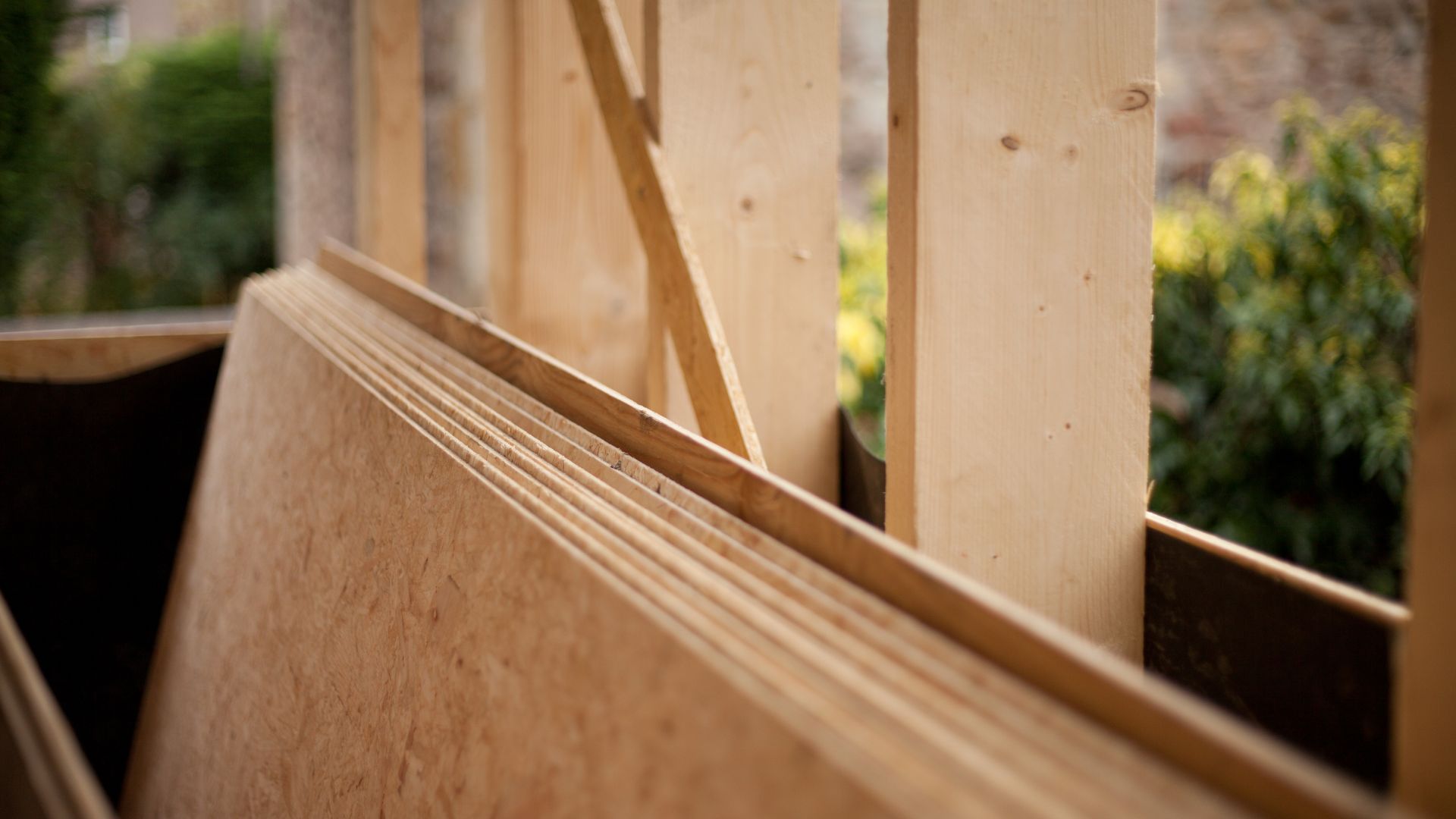
A key indicator of fake plywood is the poor core quality. In genuine, properly made plywood, you see even veneers with the same thickness in all layers. But inferior sheets usually have many gaps, voids or loose areas and sometimes mixed types of wood are used which harms its structural strength. If it is possible, ask the dealer for a cut sample. A clean and solid cross section that does not have visible gaps usually shows good quality.
Do a Simple Water and Scratch Test
A simple physical inspection can tell much about the quality of plywood. Push your fingernail hard into its surface – if it is low-grade plywood, there will be a dent or scratch easily. However, high-quality plywood withstands such damage on the surface. In like manner, letting water touch a small edge for some time may show poor bonding when layers start to split apart. These speedy inspections require just moments and could prevent you from committing a costly error.
Buy From Trusted and Established Brands
The best method to stay away from fake plywood is buying from brands which have good history and clear manufacturing methods. Duroply, for example, has been a dependable name in India’s plywood market for many years because of its consistent quality, certified production standards and extensive dealer responsibility. Picking a respected brand means you are not simply purchasing a piece of wood – you acquire proven performance and durability over time.
Verify the Thickness and Weight
Fake plywood is often sold at a stated thickness that doesn’t align with the real measurement. A sheet being labelled as 19mm might actually be 16mm or even less when you verify it yourself. Always have a vernier calliper on hand, or ask for its size to be measured in the store. Another sign is the weight, good quality plywood with dense, well-bonded layers will be clearly heavier than same size options that are hollowed out or poorly filled.
Ask for a Proper Invoice and Batch Details
Respectable makers always give trackable papers with their products. When purchasing plywood, make sure to get a correct bill that has the brand name, batch or lot number, grade details and BIS certification information on it. If a seller is reluctant in giving complete documents or tries to sell unknown or not properly labelled stock, consider this as an obvious caution sign. Clear documentation is a simple sign of an authentic product and a reliable supplier.
