Selecting the proper plywood for your house is more than just a purchase choice – it’s about structure and appearance as well. Each room in your home holds varying moisture levels, load needs and finish requirements. If you select incorrectly regarding grade or type, it can result in bending, separation of layers, or early harm. This guide assists you in selecting the appropriate plywood for each area before you pay even a single rupee.
Understanding Plywood Grades Before You Buy
Plywood is available in various grades, each representing the quality of the outer layer. The higher grades have smoother surfaces with less knots which make them perfect for furniture and panelling that are on display. Lower grades are good for structural or hidden uses such as base layers of flooring or roof covering. Make sure to always inspect both the front and back veneer grades, because producers label them independently for a specific purpose.
The Right Plywood for Your Kitchen
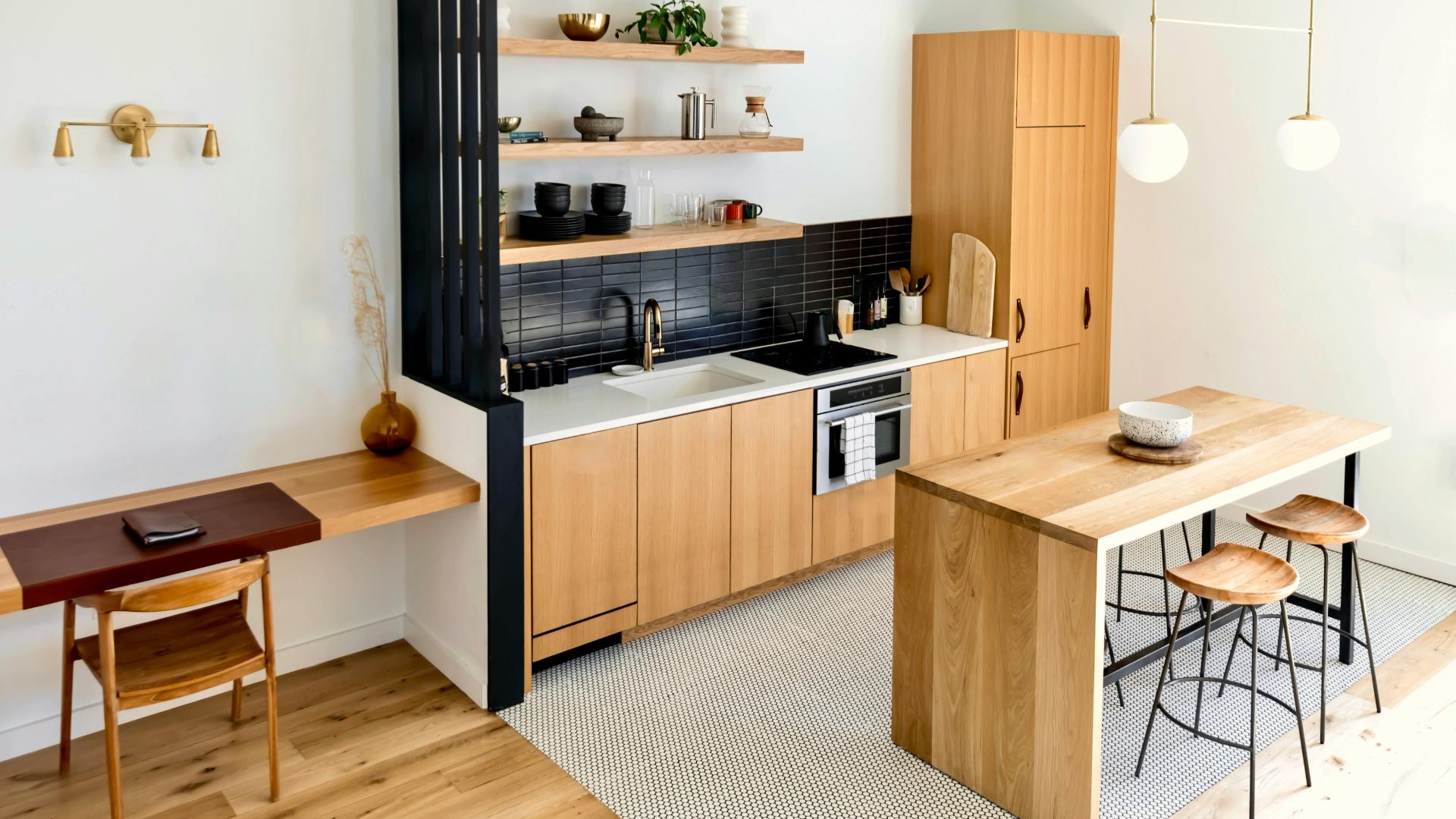
Kitchens require plywood that can resist moisture most importantly. This is because steam, spills and humidity are always present in this area, so regular commercial plywood won’t last a long time. You should search for BWR (Boiling Water Resistant) grade plywood to use in kitchen cabinets, shutters and areas under the sink. The center must be compact and without gaps to avoid swelling. A thickness ranging from 16mm to 19mm is usually suggested for kitchen structures that have to support daily weight.
Bathroom and Wet Area Considerations
Bathrooms create the most challenging atmosphere for any panels made from wood. Standard plywood takes in moisture and starts to expand or decay within a few months under these circumstances. The suitable option here is BWP (Boiling Waterproof) grade plywood, which is bonded with phenol formaldehyde. Apply it on vanity units, storage cabinets and false ceiling structures in bathrooms. Maintain thickness at 12mm for light use and 18mm for heavy duty storage units.
Living Room and Bedroom Furniture
These spaces maintain steady humidity and do not have direct contact with water, offering you greater flexibility in choosing grades. MR (Moisture Resistant) grade plywood is suitable for items like wardrobes, TV units, bed frames and bookshelves placed in bedrooms or living rooms. If the surface will be painted or laminated to achieve a neat finish, select a plywood that has smooth face veneer. For top-quality furniture that has wood veneer finish, using calibrated plywood with uniform thickness gives more superior bonding outcomes.
Flooring and Structural Applications
When plywood gets used for subfloor or as a structural panel, the strength is more important than how it looks. Plywood of structural grade which has more core plies gives better distribution of load and resists bending better. The usual thickness starts at 18mm and can go up to 25mm based on span and load conditions. Make sure all edges of the plywood are well sealed before you install it. This will stop moisture from getting in underneath.
Thickness and Core Quality: What Most Buyers Overlook
Many purchasers pay attention solely to the brand or cost, completely overlooking the main construction. A plywood sheet that has a solid core without any gaps will much better withstand screw pull out compared to one filled with voids or fillers inside it. Always demand cross banded cores for improved dimensional stability. The quantity of layers is also important because having more layers in the same thickness usually leads to better strength and less twisting over time.
Making the Final Decision
Match the plywood grade with the function of the room, adjust thickness according to structural need and choose core quality based on your finish desires. If you consider all these three aspects together, it results in furniture and fittings that can endure for many decades without regular repair or replacement needs.
