> Blog

Interior Designing

How to Enhance the Look of Your Interiors Using Wood

Plywood

Must-Try Plywood Wardrobe Ideas for Your Home

How to Check If Your Plywood is Genuine Gurjan: 5 Visual Counters You Can Spot in 30 Seconds

How to Buy Plywood That Lasts for Years

Buying plywood looks easy but after a few months, you discover that the one you bought is bending. When it comes to durable plywood, it’s not just about choosing the thickest board on the market. It includes an understanding of grades, type of glue and surface finish. Making the right

Read More »

Why Plywood Quality Matters in Interior Design

Behind the scenes, plywood is used in nearly all areas of a high quality interior design – kitchen cabinets and wardrobes, flooring underlays and wall panels. While paints, fabrics and fixtures are typically the focus, it’s plywood that supplies the structural backbone which holds all the pieces together. Its quality
Read More »
Trending Veneer Finishes: Matte, Glossy, or Textured?

Premium Plywood Price in India: What Affects the Cost

The cost of plywood in India is not often clear cut. If you visit any wood market, you will see a significant difference between the most affordable sheets and those at high-end prices. This price variation is no coincidence. High-quality plywood is more expensive due to several causes related to
Read More »
Beat the Heat: Smart Ways to Care for Wooden Furniture This Summer

Mistakes to Avoid When Buying Plywood for Your Home

Most people feel like it is easy to buy plywood, until they see so many options in the market and they know nothing about what to buy. When one buys plywood with poor quality sheets, incorrect thickness and grade can lead you to have damaged furniture, leaking roofs, costly repairs
Read More »
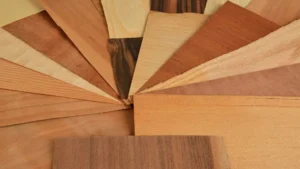
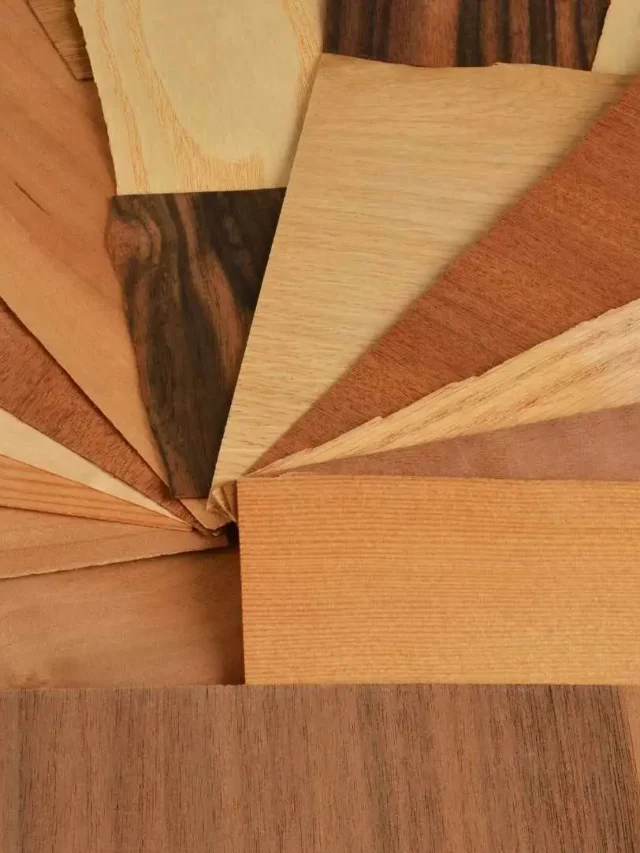
Common Mistakes to Avoid When Using Decorative Veneers Common Mistakes to Avoid When Using Decorative Veneers Decorative Veneer is a great way to give your furniture and interiors a beautiful high end finish without the cost of solid wood. They add charm from the elegance to your home’s office and commercial spaces. But if you are not careful using Veneer the wrong way it can lead to a lot of issues like peeling, warping or even an unattractive finish. Choosing the wrong type of Veneer Not all Veneer is the same. Some are made from hardwoods like teak walnut or oak while others might be reconstituted or even engineered. People often pick Veneer just based on appearance without considering where they will be used. match the Veneer type on purpose. For example you can use durable moisture resistant Veneer in kitchens or bathrooms. Ignoring the substrate quality Veneer is basically pasted on a base called substrate like plywood or MDF. If the base is only of poor quality the Veneer might not stick properly or might start to bubble even later. Always use flat, clean and good quality substrate. Plywood it’s often a better choice for strength and long term performance. Poor surface preparation It is a very common mistake a lot of people skip the preparation stage or don’t clean the surface properly before applying the Veneer. This can cause poor adhesion which might cause peeling. You must always make sure that the surface is dry dust free and also smooth before applying Veneer. Using the wrong adhesive The type of glue used to apply Veneer plays a very important role in how well it sticks. Using the wrong adhesive or not applying it evenly can even lead to bubbles or edges lifting with time. using a high quality adhesive that’s suitable for that type of Veneer and substrate is very important. Incorrect application technique Simply pasting the Veneer under the surface is not enough. Improper pressing or not using enough pressure can even cause bubbles and uneven finishes. You need to apply even pressure using clamps or rollers. For best results you can use hot press or cold press machines if available. Skipping edge banding Some people forget or even ignore the edges of furniture after applying Veneer. This looks unfinished and also makes the Veneer more likely to peel off from the sides. You need to always use edge banding or vineyard tape to seal the edges. This makes the piece look complete and also protects it from damage. Not sealing the Veneer properly Veneer is made of real good and it can absorb moisture, fade or get stained if left unprotected. A common mistake is not sealing the furniture after application. So it is very important for you to apply a good quality sealant Polish after Veneer. This helps protect the surface and makes it very easy to clean. Over sanding the Veneer Common Mistakes to Avoid When Using Decorative Veneers Ignoring grain direction This might seem like a small thing but the right direction of the wood grain impacts the final appearance. Random brain patterns or mismatched pieces can just make the furniture look really awkward and unprofessional. Always align your grain patterns correctly when joining multiple sheets. So above all you need to know that decorative Veneer is a fantastic way to elevate the beauty of your interiors whether you’re updating your living room, designing a modern office or just creating a stylish retail space. But to make the most of them you have to use them the right way.

Plywood Buying Guide for First-Time Homeowners

There are several confusions that you may face while buying plywood including thickness, grades kinds and much more. But after you learn some basic things, everything becomes easier. No matter if you furnish your kitchen or set up wardrobes or expand your living area – selecting the correct plywood will
Read More »

What to Ask Your Plywood Dealer Before You Buy

Thickness of the plywood is not always the benchmark for choosing the best in the market. Asking correct questions can prevent you from expensive errors, bad quality and structural issues in future. It doesn’t matter if you are decorating a house or handling a big construction project, knowing what to
Read More »