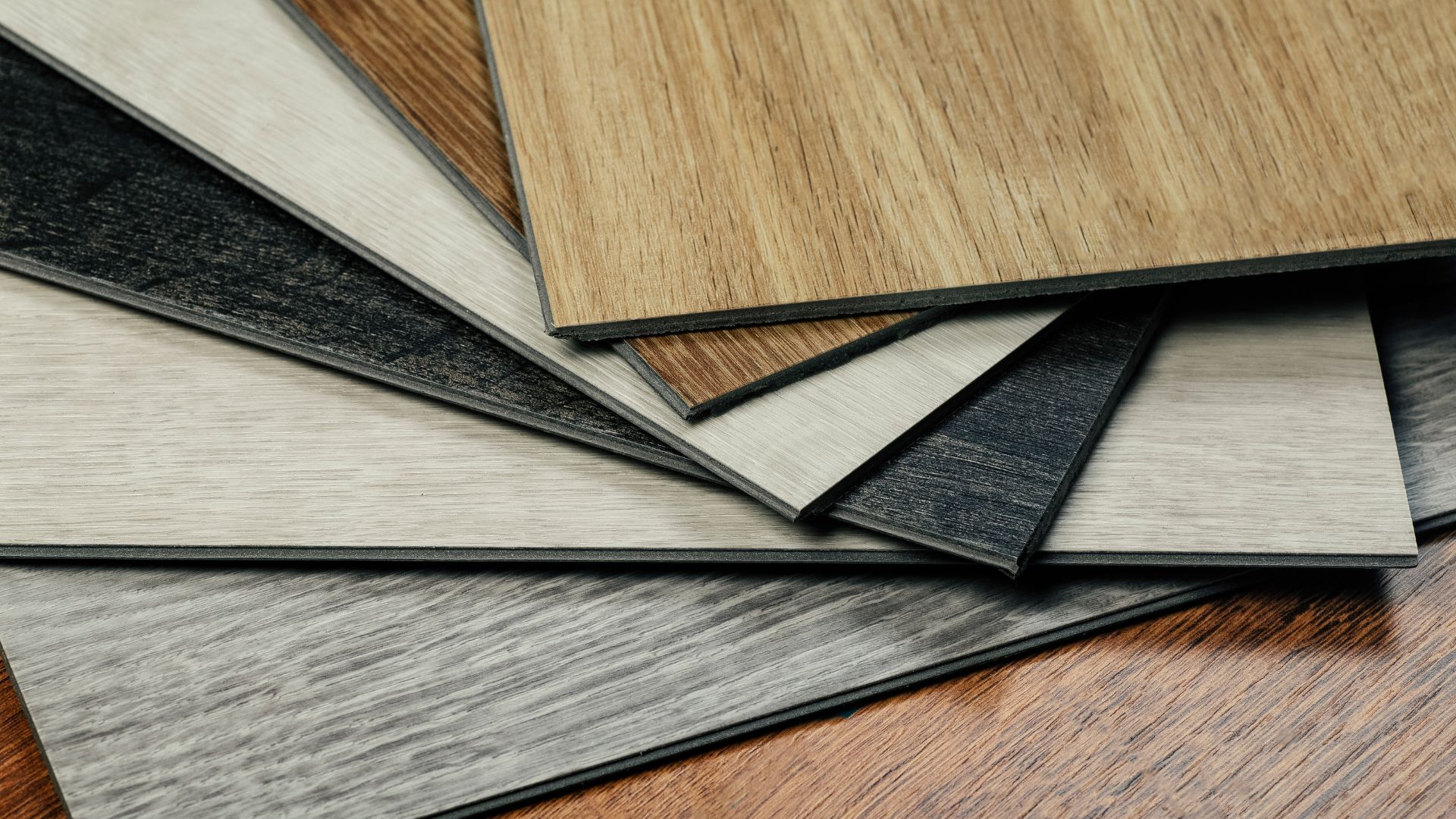
When choosing plywood, the real test is never how it looks under showroom lights. The real test is how it performs through years of shifting seasons, heavy monsoon moisture, relentless heat, and the rigorous demands of daily life.
India puts building materials through a uniquely tough endurance test. A material that performs well in a controlled climate can easily fail when exposed to local environmental realities. Designing for an Indian home requires choosing engineered wood built specifically to handle these conditions from the inside out. Drawing from 70 years of manufacturing experience, we explore what it truly takes for plywood to stand strong in Indian homes.
Duroply’s range includes products for different interior applications, from BWP-grade plywood such as Duro Titanium to blockboards designed for furniture and storage.
India’s Environment is Demanding
The climate across the subcontinent presents complex structural challenges for wood products. Regions experience severe heat and sharp temperature shifts, which cause uncalibrated, low-grade wood panels to expand, contract, and crack over time. Rapid shifts between dry spells and high-humidity months drive moisture deep into porous materials, causing severe internal strain. Heavy monsoon seasons bring sustained dampness that can trigger delamination, warping, and fungal growth in inferior materials. Furthermore, Indian kitchens, utility spaces, and living areas undergo heavy everyday wear, from frequent washing to high load-bearing demands on storage units. This is why global off-the-shelf standards often fall short and why Indian interiors require plywood engineered with higher density, specialised bonding, and superior moisture defence.
For applications where moisture resistance is a priority, Duroply’s Duro Titanium is a BWP-grade plywood manufactured using hand-picked AAA-grade logs.
The Role of Five Heat Treatment (5HT)
Standard wood processing often leaves residual moisture and organic vulnerabilities inside the core layers. To counteract this, advanced manufacturing relies on rigorous thermal processing. Our specialised Five Heat Treatment (5HT) process subjects the plies to multiple stages of controlled thermal exposure during production. This multi-step heat processing drives out internal moisture, stabilises the wood fibres, and eliminates hidden biological threats like borer larvae before the sheet is finalised. By conditioning the timber through five targeted heat cycles, the plywood achieves exceptional dimensional stability, ensuring it will not twist, buckle, or degrade when weather conditions shift outside.
Duroply’s Five Heat Treatment process is part of its approach to conditioning timber during manufacturing, helping address the dimensional changes and biological vulnerabilities discussed above.
Why 72 Hours BWP Grade Matters
Water damage is the single biggest threat to interior woodwork, particularly in kitchens, bathrooms, and utility areas. This is where authentic Boiling Water Proof (BWP) grade standards become essential. Unlike standard moisture-resistant options that only handle ambient humidity, true BWP grade plywood undergoes an uninterrupted 72-hour boiling water test to guarantee it will not delaminate under extreme conditions. By utilising phenolic resins engineered for permanent waterproof bonding, these sheets maintain their structural integrity even during plumbing leaks, heavy kitchen steam, or continuous monsoon dampness.
Duro Pumaply is another Duroply BWP-grade option for projects where water resistance is an important material requirement.
Durability is About More Than Strength
Initial structural strength is easy to claim, but long-term reliability is earned over decades. Durability is not just about resisting heavy loads on day one; it is about how the material holds its shape, glue lines, and screw-holding capacity after ten or twenty years of active use. Investing in properly treated, high-density BWP plywood drastically reduces future maintenance and replacement costs. When you build with materials purpose-engineered for Indian conditions, you eliminate the hassle of sticky drawers, sagging shelves, and premature renovations. True quality provides a quiet, reliable foundation so you can enjoy your space without worry.
For furniture and storage applications, Duroply’s Durobord blockboard offers another material option, with strength and dimensional stability suited to cabinetry and other interior uses. Duro Flex, meanwhile, is designed for curved applications where conventional plywood may not provide the required flexibility.
