Beyond the air we breathe and the durability of our interiors, discover how choosing the right materials creates a home that is both safer for your family and kinder to the planet.
Sustainability is often discussed in global terms, but for most of us, it truly begins at home. Creating an eco-conscious household is not just about reducing energy use; it is about the integrity of the materials that surround us. By making intentional choices during the design phase, we can improve our immediate well-being while contributing to a healthier planet. At Duroply, we believe that sustainable living is achieved through quality, safety, and long-term durability.
Prioritising Indoor Air Quality
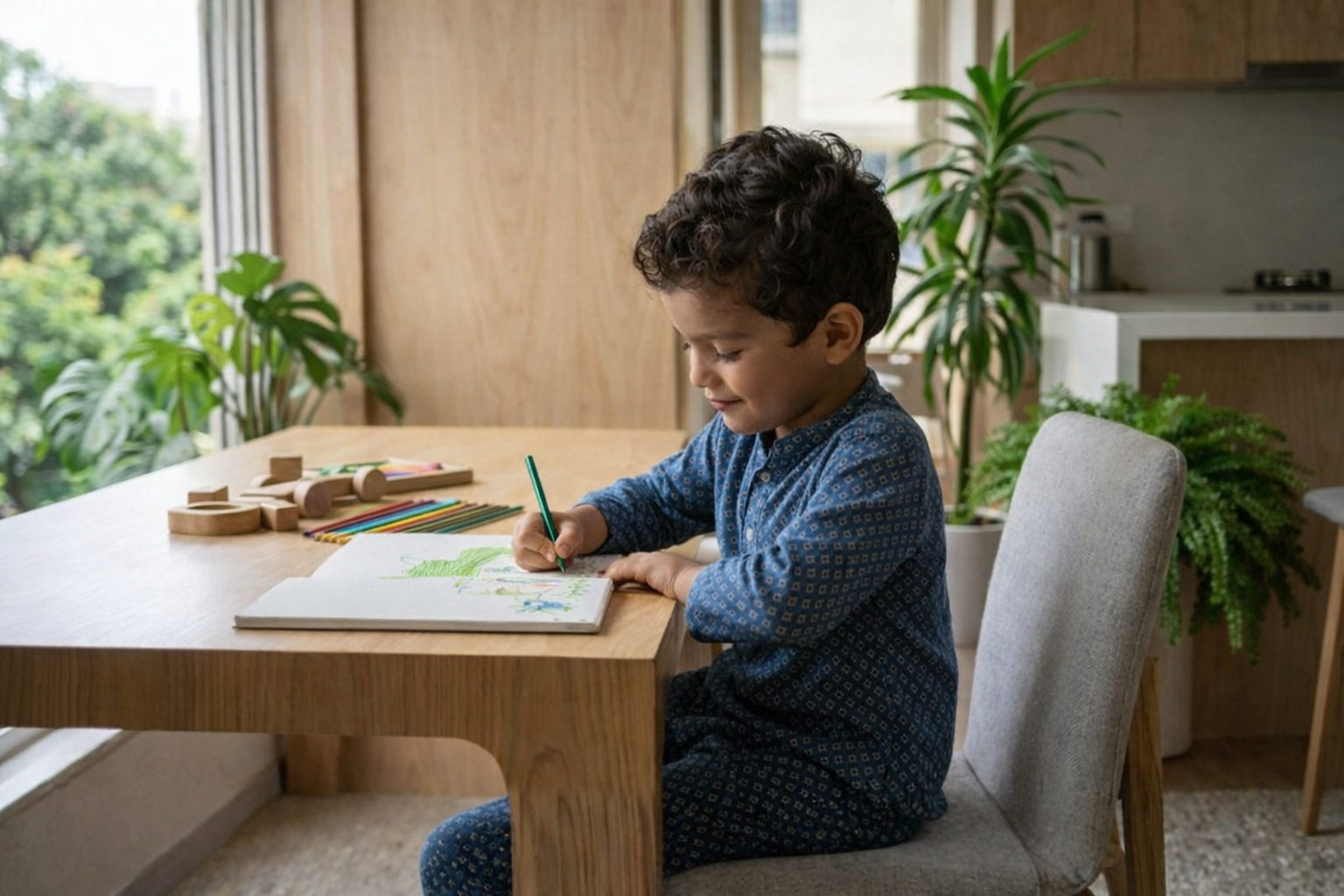
We spend most of our time indoors, yet indoor air can often be more polluted than outdoor air. This is frequently due to “off-gassing” from synthetic materials and adhesives. Choosing E0-grade and low-VOC (Volatile Organic Compounds) boards and veneers is a simple but effective way to reduce indoor toxins. These low-emission materials ensure that your home remains a healthy environment for your family, providing peace of mind alongside beautiful design.
The Impact of Responsible Sourcing
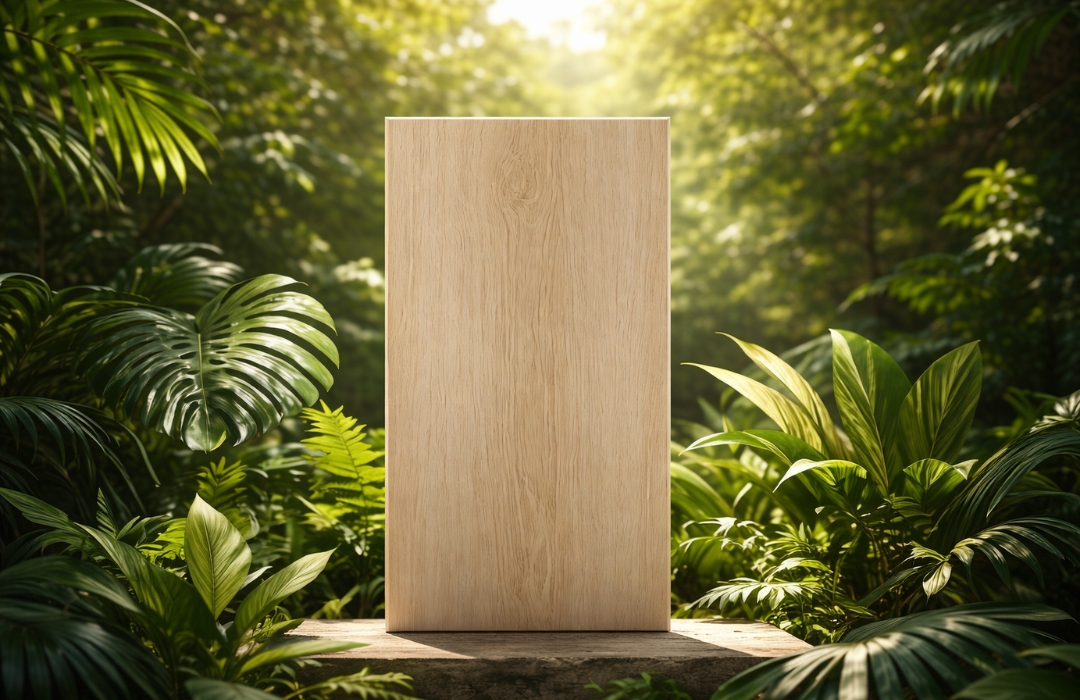
Sustainability also depends on where your materials originate. Responsibly sourced wood is a renewable resource that, when managed correctly, has a much lower environmental impact than plastic or metal alternatives. By selecting timber from managed forests, you support a cycle of growth and harvest that preserves natural ecosystems. We prioritise these ethical sources to ensure your home’s beauty does not come at the expense of the environment.
Reducing Waste Through Durability
One of the most sustainable actions a homeowner can take is to build things that last. The “throwaway culture” of modern furniture leads to immense landfill waste and constant resource consumption. Choosing high-quality plywood and veneers is a long-term strategy for a greener home:
- Minimising Replacements: Investing in high-performance materials means your furniture stays functional for decades, significantly reducing the frequency of total renovations.
- Lower Material Waste: Durable products stay out of landfills. When a material maintains its structural integrity, it eliminates the need to constantly dispose of broken or warped panels.
- Smaller Environmental Footprint: Fewer replacements mean less demand for new raw materials, energy-intensive manufacturing, and the carbon emissions associated with shipping new furniture.
By prioritising longevity, you are choosing a lifespan of decades rather than years, making your home a more sustainable part of the environment.
Small Choices for a Lasting Legacy
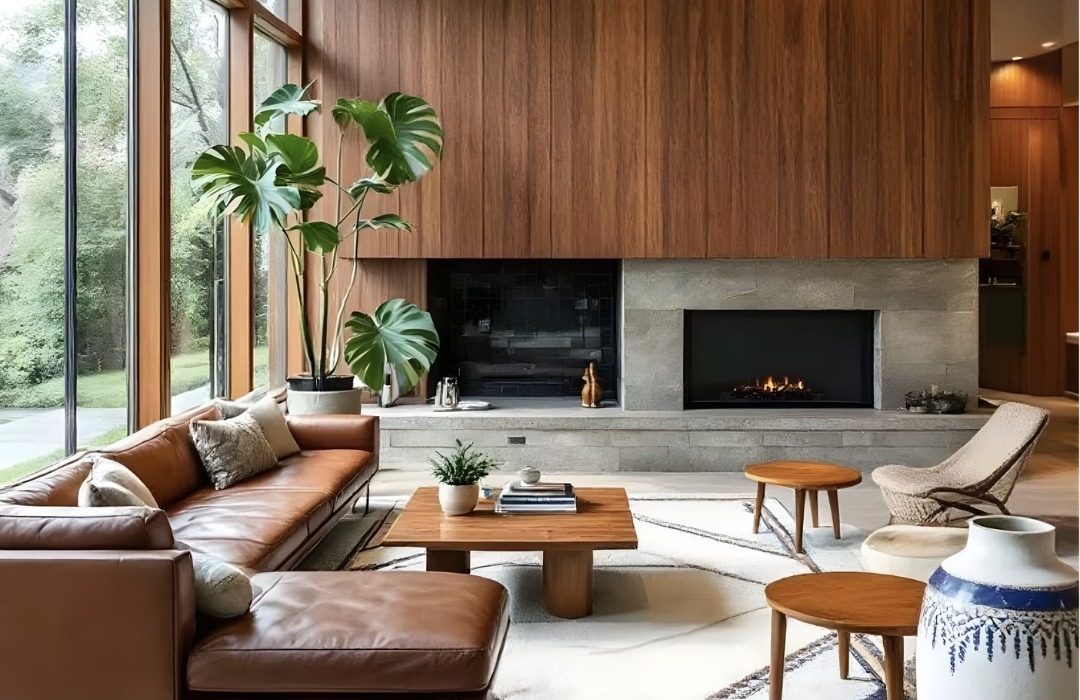
Building a healthy home does not require a complete lifestyle overhaul. It starts with a commitment to quality and a focus on how materials interact with your daily life. At Duroply, we provide the building blocks for these intentional spaces. When you prioritise health and longevity in your material choices, you aren’t just decorating a room; you are investing in a sustainable future for your home and the world beyond it.
Also Read :
Smart Storage Solutions Using Durable Plywood Panels
Child Safe and Non Toxic Materials: What to Look for in Plywood
Plywood Myths That Are Costing Indian Homeowners Money
How Responsible Forestry Impacts the Lifespan of Your Furniture
