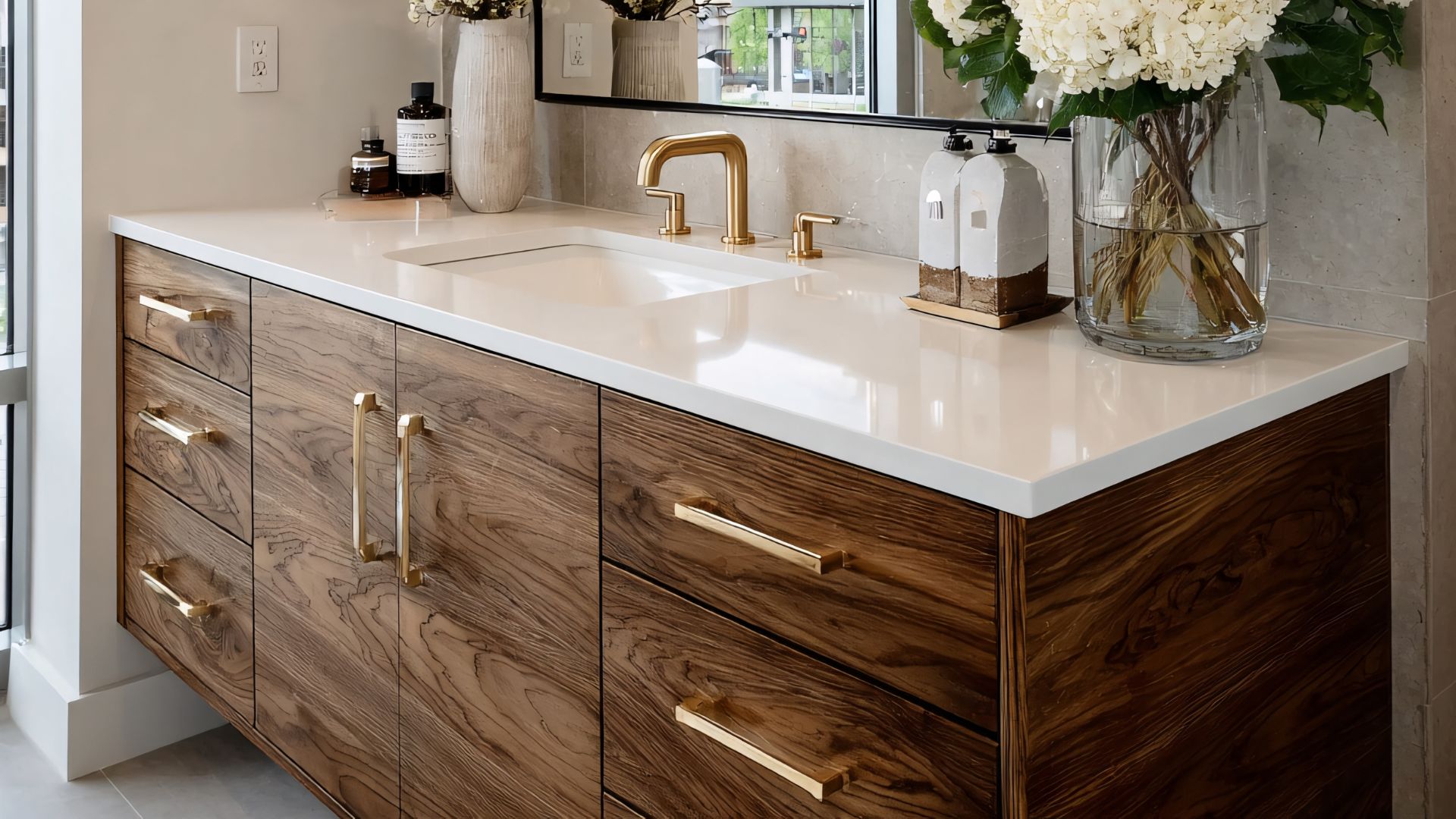
Waterproof plywood has brought a huge change to construction methods all over India, particularly in areas that have heavy monsoon rain. The way it’s made includes using special waterproofing substances on wood layers before they are glued together. These treated layers form a shield that stops water from getting through, making the material much sturdier than regular plywood where there is lots of moisture. Producers in India have adjusted global standards to create plywood that can handle the special weather changes happening throughout their country.
The Monsoon Challenge in Indian Construction
Monsoon season in India brings many months of constant rain, making the environment very tough for construction materials. Regular plywood usually absorbs water, which makes it swell and warp and finally break down over time. This results in expensive fixes and weakens the structure as time goes by. Waterproof plywood solves these problems by keeping its size and shape even when it is in wet conditions for a long time. Qualities that usually do not last in regular materials, like glue strength and surface layer stability, stay unchanged if you use good waterproof options made for monsoon weather.
Superior Adhesive Systems
The glue materials used in making waterproof plywood are basically not the same as those for normal plywood. Regular resins like phenol formaldehyde and urea formaldehyde are substituted with alternatives that can resist wetness while still keeping their strength even when it’s humid. These new adhesives make connections which remain strong despite lots of moisture, avoiding separation problems usually seen in regular plywood. The quality of these glues directly influences how good the plywood holds up against continuous wet and dry periods typical for monsoon seasons all over India.
Performance in Real World Conditions
Different independent researches have shown the performance of waterproof plywood in many Indian areas during heavy rain seasons. In coastal places like Kerala and Maharashtra, this type of plywood keeps its structure even after long exposure to moisture with salt. When used inside bathrooms, kitchens, or storage spaces it shows very little harm compared to regular types of plywood alternatives. Buildings made with good quality waterproof plywood sheets need less maintenance and stay durable for a long time, offering more value over time even though the initial cost is high.
Cost Effectiveness and Durability
Waterproof plywood usually costs around 25 to 40 percent more than regular plywood, but the longer lifespan makes it worth the extra money. In areas with a lot of rain during monsoon seasons, normal plywood might need to be completely replaced every five to seven years. However, waterproof types can often last from fifteen up to twenty years or even more. This means less maintenance cost and fewer repairs are needed which reduces structural damage risks as well. Therefore using waterproof plywood is a financially wise decision for anyone constructing or refurbishing buildings in places that experience heavy seasonal rains.
Application Areas for Maximum Benefit
Waterproof plywood is especially useful in certain construction uses found in monsoon areas. Outdoor shutters, roofing parts and wall panels gain a lot from being moisture resistant. Kitchen cabinets, bathroom partitions and basement elements are perfect choices where there will definitely be exposure to moisture. Making furniture for places that are often wet also gets big benefits. Using waterproof types for these uses makes sure the items stay usable and good-looking during all their expected usage time.
Maintenance and Care Requirements
Correct putting in place and frequent keeping up can make the performance of waterproof plywood much better. Good air flow around parts made from this material stops moisture build-up, making it last longer. Every two to three years, applying paint or a sealer that keeps water out gives more protection against rain season exposure. Make sure to have proper drainage and stay away from water collecting directly on flat surfaces. This will prevent unnecessary pressure on the material. When these precautions are taken together with choosing high-quality plywood, it sets up perfect conditions for long-lasting endurance.
Conclusion
Waterproof plywood shows a significant improvement in building materials fit for the monsoon conditions of India. It stands out because it can resist moisture well, stay stable dimensionally and last long. This is why more builders and house owners are choosing it these days. Even though its upfront cost is higher than traditional options, lesser maintenance needs, prolonged robustness and dependable structure make spending on it worthwhile ultimately. If you are planning to build or renovate in areas with a lot of seasonal rain, using waterproof plywood is the best and most cost-effective choice right now.
