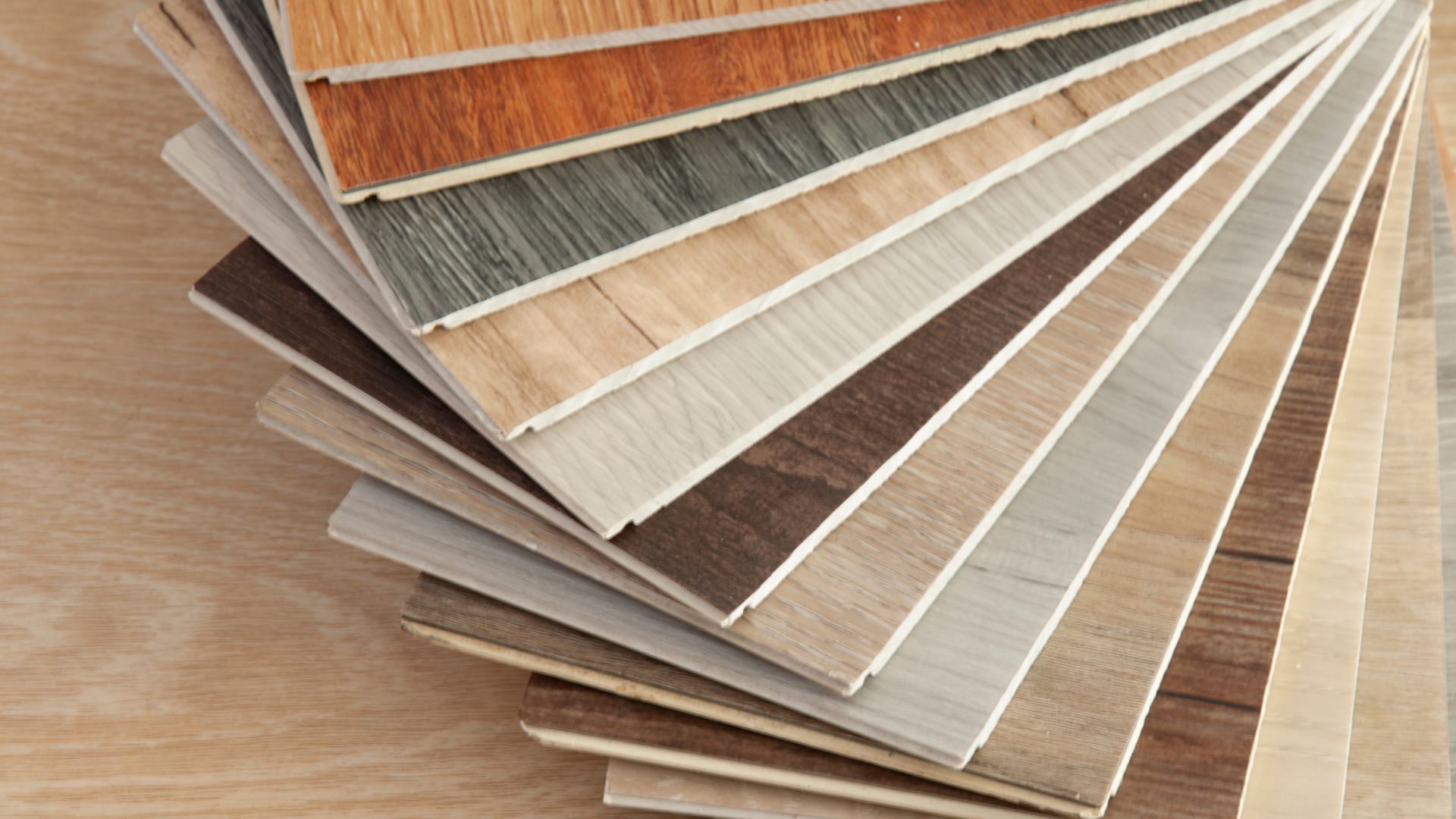
When people plan interiors, plywood is often treated like a small decision. Most conversations sound like this: which plywood is cheaper? But the truth is most homeowners realize only later plywood is not a short term material choice it’s a long term investment.
Furniture is not changed like curtains
curtains can be replaced, wall paint can be redone, lights can be upgraded but furniture? Once plywood furniture is installed it is fixed to walls and plumbing passes through it appliances are also built around it. So replacing plywood furniture is messy and also disruptive. That alone makes plywood a long term decision not a temporary one
What Plywood Actually Does in Your Home
Plywood is not decoration.
It is the skeleton of your interiors.
It supports:
- Kitchen cabinets
- Wardrobes
- Beds and storage boxes
- Loft units
- TV panels
- Bathroom vanities
The three to five year trap most homeowners fall into
You might choose cheaper plywood thinking well we’ll change the house later or we might even renovate again. But here is actually what happens in the first two years: everything looks fine. Slight swelling appears after three years and after four to five years the hinges loosen and also the edges bulge. At that point the cost is not just plywood again, it includes labor, new laminate and new hardware.
Good plywood doesn’t age its stabilizes
High quality plywood behaves differently. In the first few months it adjusts smoothly to your home’s humidity. After that it stabilizes. Good plywood stops reacting to seasons and maintains shape year after year. That’s why premium plywood furniture can last for 20 to 30 years with minimal maintenance.
Short-Term Materials Cost More Over Time
Let’s look at a simple comparison.
Option A: Cheap Board
- Lower cost today
- Lifespan: 3–5 years
- Replacement required twice in 15 years
Option B: Quality Plywood
- Higher cost initially
- Lifespan: 20–25 years
- No replacement needed
Home value depends on material quality
When selling or renting your home you might notice kitchen condition, wardrobe stability and storage quality.
Strong plywood interiors:
- Increase resale value
- Reduce negotiation pressure
- Make homes easier to rent
Weak furniture lowers property appeal instantly.
Plywood quality silently supports your asset value.
A One-Time Decision That Lasts Decades
Most homeowners choose plywood only once or twice in their lifetime.
That decision stays with them every day:
- When they open a cupboard
- When they store heavy utensils
- When monsoon arrives
- When years pass
This is not like choosing tiles or paint colour.
It’s choosing durability.
Why Interior Designers Never Compromise on Plywood
Designers understand something simple:
You can change looks later ,
you cannot easily change structure.
That’s why even in luxury projects, designers prioritise:
- Waterproof plywood where needed
- Correct thickness
- Certified quality
- Long warranties
Think in years not in price
Instead of asking how much cheaper is the plywood, always ask how long will this last? Or will you need replacement? When you think about it, in years plywood stops looking expensive. It starts looking sensible.
In short you can just say that plywood is not what you think every day. How do you feel about its quality every day? When it’s good life is smooth and when it’s poor problems are never short. Choosing plywood is not about saving money today, it’s all about avoiding regret tomorrow. Because plywood does not just support furniture, it supports your home’s quality and reliability for decades. That’s why plywood is not a short term material choice, it’s a long term investment.
