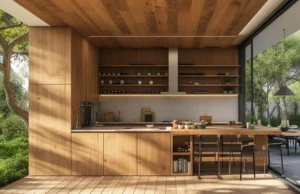


Behind the scenes, plywood is used in nearly all areas of a high quality interior design – kitchen cabinets and wardrobes, flooring underlays and wall panels. While paints, fabrics and fixtures are typically the focus, it’s plywood that supplies the structural backbone which holds all the pieces together. Its quality will determine the longevity of your interiors, how they will look as time goes on and the safety of those living or working in them.
Structural Integrity Affects Everything
Plywood of low quality twists, bends and expands when the humidity changes. Furniture or fixture that it is holding begins to get out of alignment once it has been altered in shape. Begins to notice difficulty with closing doors. Shelves sag. Cabinet joints weaken. Good quality plywood will maintain its form year after year and season after season as a result of having even cores and good bonding resins. This regularity is the distinguishing factor for interiors that sustain well over time from those that start to degrade just after a few years.
Water Repellent is a requirement
Spills and dampness, as well as steam, happen in kitchens and bathrooms every day. If plywood can’t withstand moisture, it will expand, come apart layers-wise and finally decay. This is especially important in areas where there is high humidity or frequent rainfalls. When choosing the right plywood for wet spaces, it is not a choice, but a must. This choice in design is a lasting one. You need to use the right grade to prevent the high costs of replacement at a later stage and to protect your investment.
Surface Quality Defines the Final Look
A smooth, even surface (if there is one) has a tremendous influence on the adhesion of veneer, laminates or paints to the surface and their appearance. If the surface is rough, or it doesn’t level off, then these defects will show through even after finishing. Any gaps, knots or empty spaces in the core might lead to depressions on the surface as time goes by. Quality plywood offers a clean and even surface that allows finishes to adhere properly. This will ensure the final look will be in line with the design plan. As much as a room might be decorated, if the base material isn’t good, it will show through.
Load Bearing and Longevity
Plywood that is used for shelves, floors and structural panels needs to bear actual weights. The number of layers of this plywood, and the quality of the wood used and the glue between layers, determine its bending strength. There are products that may look identical on the surface but can come up short on the job if they have not been manufactured to a high standard. When building in furniture, modular kitchens or heavy furniture units, it is important to use the engineered plywood with proven load carrying capacity to ensure longevity.
Sustainability and Indoor Air Quality
In today’s world, interior design takes a greater account of the welfare of those living in interior design. Plywood with lower emission formaldehyde adhesives is good for the inside air quality – especially in bedrooms and children’s rooms. A good responsible alternative in the design of interiors where people spend long periods of time are the choices at certified companies that meet international emission standards like the Duroply. Choosing plywood that has sustainability certificates is a decision mindful of both health and the environment.
When you select Quality, you select Long-Term Value.
When it comes to interior projects, many people select the less expensive plywood in order to save cash. This content might not be visible, but it can be felt every day by the lifespan of the finish as well as its looks and utility in that space. By using high-grade tested plywood from the start, an interior can look beautiful and stay so, have great functionality and remain so, and be structurally strong for many decades, rather than years.